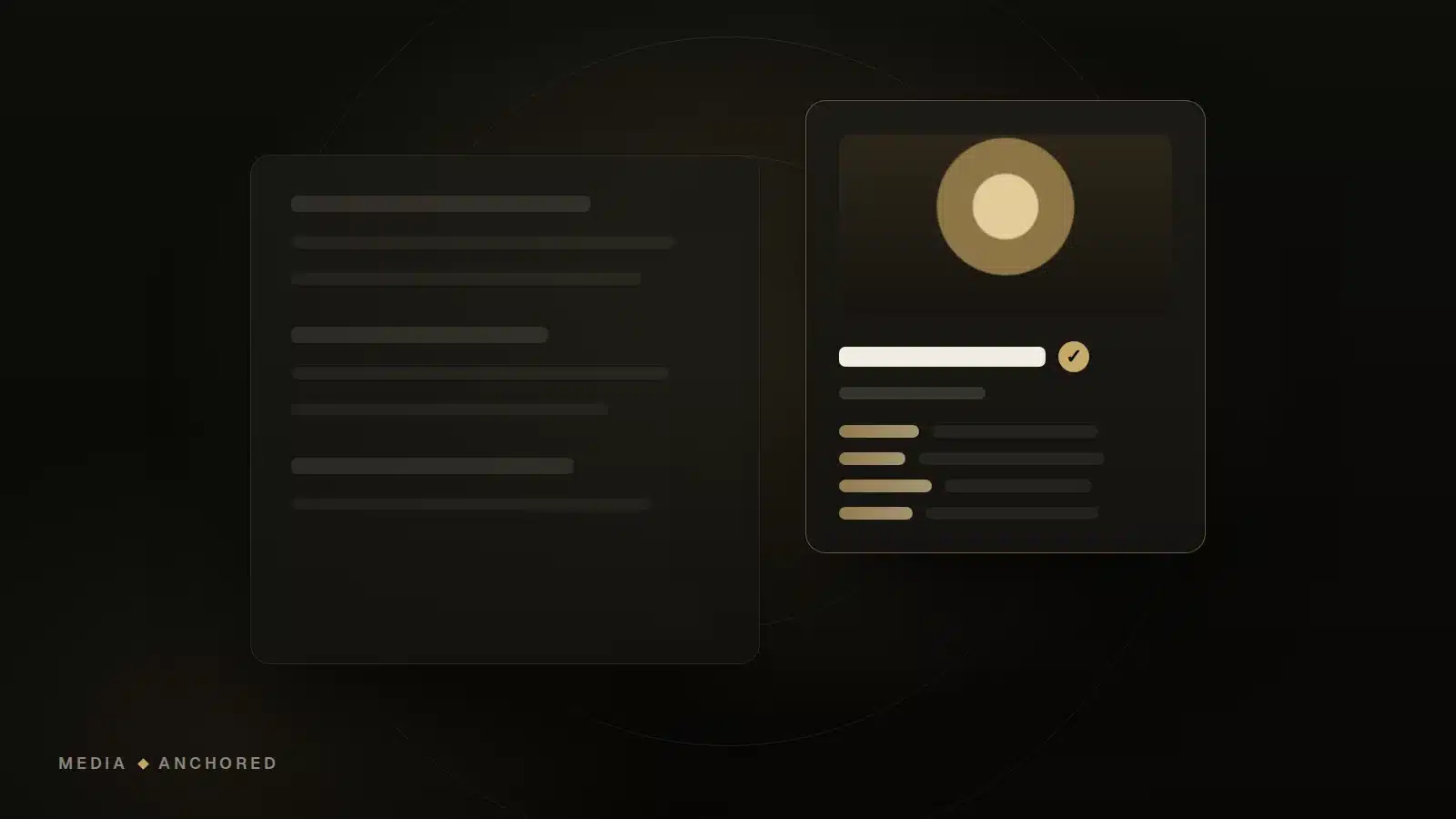

Search for a well-known founder, author or doctor and you will often see a box on the right of the results on desktop, or near the top on mobile. It shows their name, a photo, a short description and key facts. That box is a Google Knowledge Panel, and it is one of the strongest credibility signals a person can have in search.
What a knowledge panel is
A knowledge panel is generated automatically from Google’s Knowledge Graph, a large database of people, places, organisations and things, and the facts that connect them. When Google is confident it understands who a person is, and believes enough people are searching for them, it may display a panel.
Two things are worth knowing straight away:
- You cannot buy one. Panels are not ads, and no one can pay Google to create one.
- Google decides what appears. Information comes from sources Google considers reliable. You can suggest changes, but you do not directly control the content.
Why it matters for experts
A knowledge panel tells searchers that Google recognises you as a distinct, notable person. It separates you from namesakes, puts your preferred photo and description front and centre, and gives your first page an instant sense of authority. For professionals whose clients search them before booking, that first impression is valuable.
The signals that help Google recognise you
Because panels are generated from what Google can verify, the goal is to make your identity clear, consistent and well documented across the web.
1. Independent coverage
Features, interviews and articles about you on credible publications are among the most important signals. They show that people beyond you consider you worth writing about.
2. Consistent identity
Use the same name, title, specialty and photo everywhere: your website, LinkedIn, professional directories, speaker bios and author pages. Inconsistency makes it harder for Google to connect the dots.
3. Structured information on your website
An About page that clearly states who you are, what you do and where you have been featured helps. Many sites also add structured data, a small piece of code that describes a person in a format search engines read easily, including links to your official profiles.
4. Authoritative profiles
Profiles on respected platforms in your field, author pages for books you have written, and listings with professional bodies all strengthen the picture.
5. Genuine search interest
Panels tend to appear for people others are already looking up. Media appearances, speaking and publishing all increase the number of people searching your name.
If you already have a panel
If a panel already appears for you, you can request to get verified through Google. Once verified, you can suggest changes to the information shown, such as an outdated photo or description. Google reviews suggestions and does not guarantee it will accept them.
What to avoid
Be cautious of anyone promising a panel by a specific date. Because Google decides when and whether to show a panel, no one can honestly guarantee one. What can be done reliably is building the coverage, consistency and structure that make recognition far more likely.
How we approach it
At Media Anchored, knowledge panel work sits inside a wider program: media placements that create independent coverage, consistent profiles across the web, and search work that ties it all together. If you would like to know where you stand today, book a strategy call.